
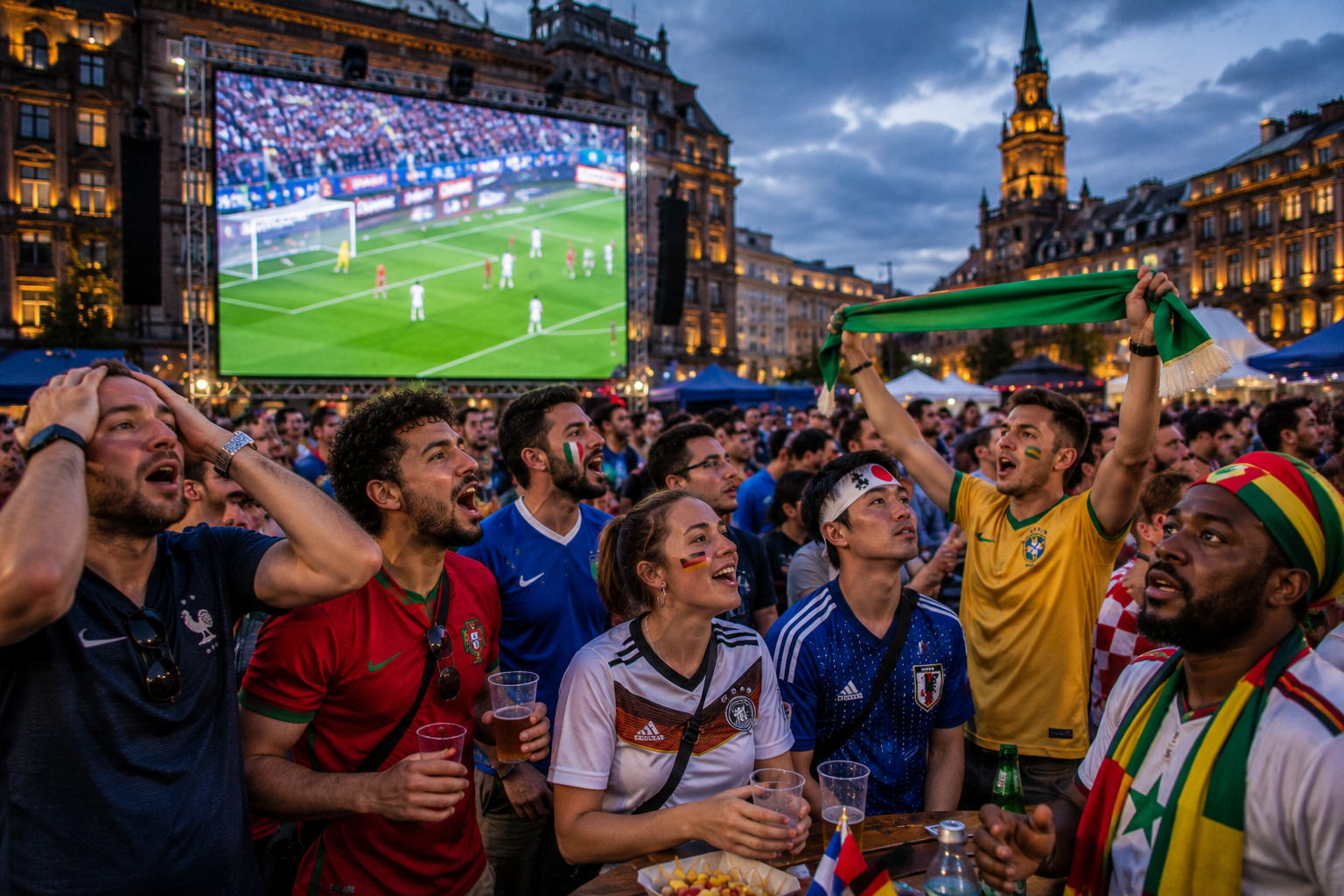
Football speaks a language that supporters understand across borders, yet the game never looks exactly the same everywhere. In some countries, it is closely connected to neighbourhood identity and generations of family support. In others, it is a source of national pride, a symbol of regional belonging or an important part of weekend social life. Following matches as they happen, including through opportunities to watch live soccer, allows audiences to discover these differences through the teams, stadiums and communities that give football its character.
The international appeal of the sport comes partly from this combination of familiarity and variety. The rules remain largely universal, but the atmosphere, tactical preferences and emotional significance of a match can change considerably from one football culture to another. A supporter watching a major South American derby encounters a different rhythm and intensity from someone following a European league fixture or an African international tournament. Each match offers another perspective on a sport that continues to evolve without losing its shared foundations.
Local Identity Behind the Colours of a Club
Football clubs often represent much more than the cities printed beside their names in a fixture list. Their identities develop through history, geography, local traditions and relationships with supporters. A club may be associated with an industrial district, a port city, a particular neighbourhood or a community whose traditions have survived several generations.
These connections influence how people experience the game. For lifelong supporters, attending a match can be a family ritual passed from parents to children. Club colours become familiar symbols, while songs and expressions heard in the stands carry memories of previous seasons. Even during difficult periods, this connection can remain stronger than the immediate results.
Local identity also gives rivalries their depth. Some competitions are shaped by the proximity of two clubs, while others reflect historical divisions or long-standing struggles for sporting recognition. The tension surrounding such fixtures cannot be explained by league positions alone. It comes from years of encounters, shared memories and the desire to defend a community’s reputation.
Following these matches in real time makes the cultural context easier to appreciate. The reactions of supporters, the atmosphere before kick-off and the intensity of individual challenges all reveal why certain fixtures matter so deeply to the people involved.
Different Football Cultures, Different Rhythms
Although football has a common structure, the way teams approach the game varies across countries and competitions. These differences are influenced by coaching traditions, player development, available resources and the qualities that local audiences have come to admire.
Some football environments place a strong emphasis on technical control. Players are encouraged to retain possession, create passing angles and use movement to draw opponents away from defensive positions. In other settings, direct attacking play and physical intensity have a more prominent role. Quick transitions, aerial duels and aggressive pressing can become defining characteristics of a team’s identity.
These approaches should not be treated as rigid national stereotypes. Modern football is highly interconnected, and coaches regularly exchange ideas across borders. A manager working in one country may introduce methods developed elsewhere, while players bring experiences from several leagues into the same dressing room.
Nevertheless, regional influences remain visible. Watching different competitions provides an opportunity to see how tactical principles are adapted to local circumstances. A team built around technical midfielders may approach difficult away matches differently from a side whose greatest strength lies in speed and physical presence. Neither approach is automatically superior; success depends on how effectively a group uses its particular qualities.
The contrast between styles is one of the reasons international football remains so engaging. Each competition offers its own interpretation of how the game should be played.
Stadium Traditions That Turn Matches Into Events
A football stadium is not simply a place where two teams compete. It is a setting in which communities express their identity through sound, movement and shared rituals. The atmosphere begins long before the opening whistle, as supporters gather around the ground, meet familiar faces and prepare for the occasion.
In many football cultures, songs are central to this experience. Some are adapted from traditional music, others are created to celebrate a club’s history or remember important figures. Their words and melodies can remain familiar for decades, allowing supporters from different generations to participate in the same ritual.
Visual traditions are equally significant. Scarves, flags, banners and coordinated displays transform the stands into a collective expression of loyalty. These details give each stadium a distinctive character and help distinguish one football community from another.
The atmosphere can also change dramatically during a match. A confident home crowd may become nervous when the opposition begins to dominate, while a late attacking opportunity can bring thousands of people to their feet. A decisive goal may produce an eruption of celebration that continues long after play has restarted.
For viewers following the action from elsewhere, these elements offer more than entertainment. They provide a glimpse into the emotional relationship between clubs and their supporters, showing why football is often experienced as a social tradition rather than an ordinary sporting event.
International Tournaments and the Meaning of National Colours
Club football connects supporters with local identities, while international competitions introduce another kind of emotional investment. When national teams meet, the match can become a focal point for people who otherwise support different clubs and follow different domestic competitions.
International tournaments are especially compelling because they bring together players from varied professional environments. Teammates who compete against one another throughout the club season may suddenly share the same national colours. Coaches must find ways to combine individual strengths within a limited preparation period, often without the time available to build a club team over several months.
This creates distinctive tactical challenges. A national side may have outstanding attacking players but lack the time to develop complicated combinations. Another team might rely on defensive organisation and collective discipline, using its familiarity with one another to compensate for differences in individual experience.
The emotional significance of these tournaments extends beyond the pitch. Supporters gather in homes, public squares, cafés and fan zones. National colours become visible in everyday spaces, and matches provide opportunities for communities to celebrate together.
International football also introduces viewers to teams they may not follow regularly. A tournament can reveal a new generation of players, bring attention to developing football nations and demonstrate how different styles can succeed under intense pressure.
The Unexpected Appeal of Discovering New Teams
Many supporters begin their football journey with one club or national team. Over time, however, curiosity often leads them towards unfamiliar competitions. A memorable performance by a player, an unusual tactical approach or a dramatic knockout match can inspire interest in a team that previously received little attention.
This process of discovery adds depth to the sport. Following a new club means learning about its history, its supporters and the challenges it faces. A team that initially appears unfamiliar may gradually become part of a viewer’s regular football routine.
Smaller competitions can be particularly rewarding in this respect. They often reveal emerging players and distinctive local traditions that receive less attention in the most widely followed leagues. A young footballer performing consistently in a developing competition may later move to a larger club, but the early stages of their career can be just as interesting to observe.
There is also value in watching teams without an established personal attachment. Without the pressure of supporting a particular side, viewers can concentrate on the quality of the contest, the decisions made by coaches and the different ways teams respond to difficult situations.
This broader perspective encourages a more open understanding of football. The sport becomes less about following a limited number of familiar names and more about exploring the variety of stories taking place across the global game.
The Influence of Players Moving Between Continents
The modern football landscape is shaped by the movement of players, coaches and ideas. Transfers between countries have become an important part of the sport’s development, allowing individuals to experience different tactical systems and bring new skills into unfamiliar environments.
A player who developed in a technically demanding academy may join a league where physical strength and speed are emphasised. Another may leave a domestic competition to test their abilities against different opponents in a more tactically complex environment. These changes can influence both individual development and the clubs that welcome them.
The movement of players also creates cultural connections. Supporters become interested in competitions associated with their favourite footballers, while clubs gain international audiences through signings from different regions. A player can become a link between several football communities, introducing new supporters to a club and helping existing fans discover another football culture.
However, adaptation is not always immediate. A new signing may need time to understand the language, expectations and tactical demands of a different environment. The ability to succeed depends not only on technical talent but also on communication, confidence and the willingness to adjust.
Watching these transitions over an entire season provides a more complete picture than judging a player by a single performance. It shows how football careers develop through challenges, opportunities and gradual adaptation.
Why the Full Match Preserves the Cultural Experience
Highlights are useful for remembering decisive moments, but the wider character of a football event is often found between them. A short compilation can show a spectacular goal without revealing the atmosphere that preceded it, the tactical adjustment that created the opportunity or the reaction of supporters after the final whistle.
The full match preserves this context. Viewers can observe how the crowd responds to different phases of play, how teams manage pressure and how individual performances change as the contest develops. These details are particularly valuable when exploring unfamiliar competitions, where understanding the wider environment can be as interesting as the result itself.
A complete match also reveals the importance of patience. Some teams build attacks slowly, while others wait for the right moment to accelerate. Defensive sides may spend long periods protecting space before launching a sudden counterattack. Without the full sequence, these strategies can be difficult to recognise.
For supporters interested in football culture, the surrounding details matter. The stadium, the playing style, the behaviour of the crowd and the importance of the fixture all contribute to the identity of the event.
A Global Game With Countless Local Stories
Football’s worldwide reach has not erased its local character. Instead, it has created a meeting point for communities whose traditions remain distinct even as they share the same sport. A club derby, a national-team qualifier and a continental final may all follow the same basic rules, yet each carries its own history and emotional meaning.
The opportunity to follow matches from different countries allows supporters to experience this variety directly. They can compare tactical approaches, discover new players, recognise unfamiliar traditions and understand why particular fixtures occupy such an important place in local life.
The most rewarding part of this experience is not necessarily finding a single preferred style or competition. It is recognising how many different stories football can tell. Some are built around historic rivalries, others around emerging talent, unexpected victories or the loyalty of supporters who remain behind their teams through every season.
Football remains a global language precisely because it does not require every community to express itself in the same way. Its shared rules create a common ground, while its local traditions give every match a distinctive voice.